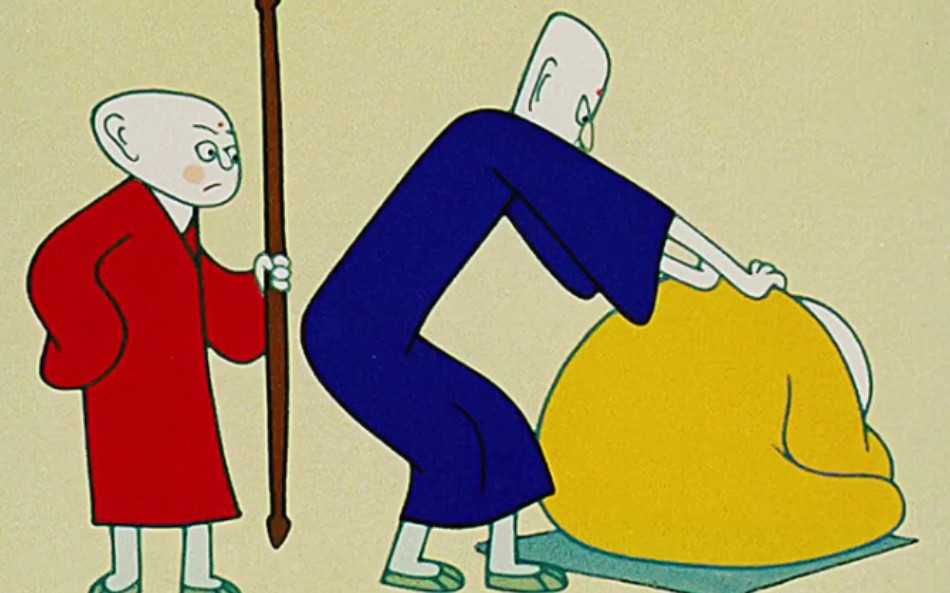
Three Monks
Introduction
The Three Monks, a 20-minute animation released in 1981, is a notable production by the Shanghai Animation Film Studio. This animated short film has been widely acclaimed for its simple yet profound storyline. It delves into the theme of cooperation and the consequences of a lack of it. The plot centers around the refusal of three Buddhist monks to share the task of fetching water from a river situated down the mountain from their temple. Their reluctance to work together results in them having no water to drink, serving as a metaphor for the broader implications of individualism versus collective effort. The film achieved international recognition, winning the Best Short Film category at the 32nd Berlin International Film Festival in 1982.
Plot
The narrative of The Three Monks is a parable about the challenges and importance of cooperation. The story unfolds with a single monk living in a temple on a mountain. His daily routine involves the arduous task of fetching water from the river at the base of the mountain. When a second monk arrives, they initially work together to carry the water. However, disputes arise about the fairness of the labor, and each ends up wanting the other to do the task alone. When a third monk joins them, the situation becomes even more complicated. Each monk refuses to compromise or take responsibility, leading to none of them fetching water. As a result, the temple runs out of water, symbolizing the consequences of their stubbornness and lack of collaboration. A crisis, such as a fire at the temple, eventually forces them to work together, illustrating the necessity of cooperation for survival and harmony. The story concludes with the monks realizing the value of teamwork, leading to a more efficient and harmonious method of water collection.
Characters
Main Characters
-
First Monk: The original inhabitant of the temple, who initially manages the task of fetching water on his own. His character represents self-reliance, but also the struggles that come with it when faced with increased demands.
-
Second Monk: He arrives at the temple and initially collaborates with the first monk. His introduction highlights the theme of shared labor and the conflicts that can arise from perceived imbalances in effort.
-
Third Monk: His arrival further complicates the dynamics among the monks. His presence represents the tipping point where individual effort becomes inefficient, emphasizing the necessity of cooperation among the group.
Supporting Characters
Temple Setting: Although not a character in the traditional sense, the temple serves as a central point and symbol in the story, representing the community or shared space in which the characters must learn to coexist and work together effectively.
Themes
The Three Monks explores several key themes, primarily focusing on cooperation and the pitfalls of individualism. The film uses the monks' reluctance to share responsibilities as a metaphor for the challenges faced in collaborative environments. It suggests that while individual effort is admirable, it is often insufficient when dealing with shared challenges. The narrative also delves into the theme of conflict resolution, demonstrating how communication and compromise are essential for overcoming disputes and achieving common goals. Additionally, the story reflects on the importance of innovation and problem-solving, as the monks ultimately devise a more efficient system for fetching water, illustrating how collaboration can lead to creative solutions.
Production
Animation Style
The Three Monks is notable for its distinct animation style, which reflects traditional Chinese artistic elements. The film utilizes simple but expressive character designs and employs a minimalistic yet effective use of color and form to convey the story's themes. This style is characteristic of the Shanghai Animation Film Studio's approach during that era, focusing on storytelling and thematic depth rather than intricate visual details. The animation effectively uses visual humor and metaphoric imagery to communicate its message, relying heavily on visual cues rather than dialogue to drive the narrative.
Music
The film's music plays a crucial role in enhancing the story's emotional impact and cultural resonance. The soundtrack incorporates traditional Chinese musical elements, aligning with the film's aesthetic and thematic context. The music complements the narrative by underscoring the emotional and humorous moments, adding depth to the characters' interactions and the unfolding plot.
Voice Cast
Unlike many animated films, The Three Monks relies minimally on dialogue, focusing instead on visual storytelling and sound to convey its messages. This choice emphasizes the universality of the film's themes, allowing it to resonate with audiences regardless of language. The sparse use of voice work accentuates the comedic and dramatic elements through action and expression rather than spoken word.
Cultural Significance
The Three Monks holds a special place in Chinese cultural history, being a part of the golden age of animation in China during the 1980s. It is an exemplary work that demonstrates the Shanghai Animation Film Studio's commitment to producing culturally rich and thematically engaging content. The film has been seen by generations of Chinese viewers, contributing to its status as a classic in Chinese animation. Its themes of cooperation and problem-solving continue to be relevant and resonate with audiences worldwide. The film also highlights the artistry and innovation of Chinese animators, serving as an inspiration for future generations in the animation industry.








